If you are trying to make sense of the Whitehouse Station housing market, you are not alone. In a smaller market like this one, the numbers can look inconsistent at first glance, especially when different real estate portals report different prices, inventory levels, and market speed. The good news is that once you understand how Whitehouse Station works, the picture becomes much clearer. This guide will walk you through what buyers are seeing now, how to read the local data, and what to expect as you plan your move. Let’s dive in.
Whitehouse Station at a Glance
Whitehouse Station is an unincorporated community and census-designated place within Readington Township in Hunterdon County. It plays an important role locally because it is home to Readington Township’s municipal offices, and it also offers commuter access through NJ Transit’s White House Station on the Raritan Valley Line.
For buyers, that combination matters. You get a location with civic importance in the township and a practical commuting connection, which helps explain why Whitehouse Station often draws interest from people looking for more space while staying connected to the region.
What Homes Buyers Usually Find
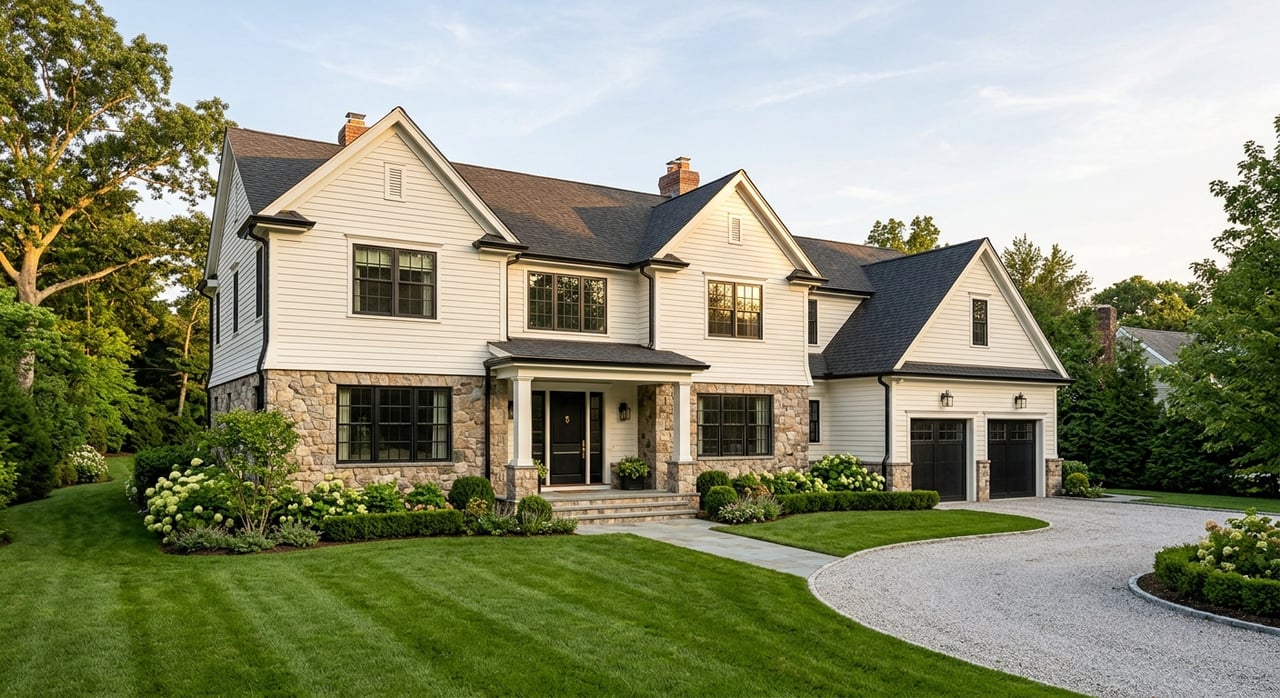
Whitehouse Station is not a market dominated by one type of housing. Public data shows a mix led by detached single-family homes and attached homes, with a smaller share of multifamily options than you would usually find in denser New Jersey suburbs.
According to census-derived data, the area has about 1,900 housing units. The housing mix is approximately 51.6% detached single-family homes and 39.1% attached homes, with smaller shares of duplex and larger multifamily properties. The median construction year is 1989, and about 89% of occupied homes are owner-occupied.
That tells you a few useful things right away:
- You are likely to see a strong resale market
- Detached homes and townhomes make up much of the inventory
- A lot of the housing stock is not brand new, so condition and updates can vary from home to home
- Apartment-style inventory is more limited than in more urban or high-density suburban markets
Current listing snapshots support that pattern. Buyers may come across townhomes in the mid-$500,000s to mid-$600,000s, detached homes around the mid-$700,000s and up, and occasional listings outside that range depending on lot size, condition, and property type.
Why the Price Data Looks Different
One of the most important things to know about Whitehouse Station is this: small markets can produce big swings in reported numbers. That is why you may see one source showing a higher value and another showing a lower median sale price.
As of late April 2026, Zillow reported a Whitehouse Station home value of $708,749, 23 homes for sale, 10 new listings, and a median list price of $696,500. Redfin’s April 2026 snapshot showed a median sale price of $589,695, 6 homes sold in April, 17 median days on market, and a 106.6% sale-to-list ratio. Realtor.com described the market in March 2026 as balanced, with a median listing price of $532,500, 25 homes for sale, median days on market of 62, and homes selling for about asking price on average.
Those numbers do not match exactly, but that does not mean the data is wrong. It usually means each platform is measuring something a little differently. Some focus on listings, some focus on closed sales, and in a town with only a handful of monthly transactions, a few higher-priced or lower-priced closings can shift the median quickly.
A More Useful Buyer Price Range
Instead of focusing on one headline number, it is smarter to think in terms of a likely market band. Based on the current public data and active listing examples, many buyers will find attached homes starting in the low-to-mid $500,000s, with larger detached homes often landing in the upper-$700,000s to low-$900,000s.
Of course, there are exceptions. A smaller home, a different condition level, or a unique property type can fall below or above that range. Still, this general band is a practical starting point if you are trying to build a realistic search strategy.
For buyers, this matters because it helps you separate noise from signal. If you only look at one portal’s median, you might think the market is either much more expensive or much softer than it really feels when you start touring homes.
How Competitive the Market Feels
Whitehouse Station can feel competitive, but not every listing behaves the same way. Redfin labeled the market “most competitive” in April 2026 and reported homes selling at 106.6% of list price on average, while Realtor.com described it as balanced in March 2026 with homes selling near asking price.
The safest takeaway is that buyer experience may vary significantly depending on the specific home. A well-priced home in strong condition can move quickly and attract competing offers, while a home with less polished presentation, a higher price point, or more limited appeal may take longer.
That is especially true in a small market. With only 6 homes sold in one month according to Redfin, broad averages can shift fast. As a buyer, you are usually better served by evaluating the exact segment you are shopping in rather than assuming every Whitehouse Station listing will follow the same pattern.
How Whitehouse Station Compares With Hunterdon County
Looking at the county helps put Whitehouse Station into perspective. In April 2026, Redfin reported a Hunterdon County median sale price of $543,482, 24 days on market, and a 102.3% sale-to-list ratio. Zillow showed a county home value of $631,405, a median list price of $654,000, 319 homes in inventory, and homes going pending in around 17 days.
Compared with that county backdrop, Whitehouse Station appears to sit somewhat above the county median. That lines up with its commuter-friendly location and the kinds of homes commonly found there.
For buyers, county data is helpful for context, but the local numbers should guide your strategy. Whitehouse Station is its own micro-market, and pricing here can reflect its location, housing mix, and buyer demand.
Why Seasonality Matters for Buyers
Real estate activity usually follows a seasonal pattern, and Whitehouse Station is no exception. Broad market data shows spring and summer are typically the busiest periods, fall is more transitional, and winter tends to be slower.
For buyers, that usually means:
- Spring: More listings come to market, but competition can rise
- Summer: Sales activity often stays active, especially for move-timed buyers
- Fall: The pace may soften, and some sellers become more flexible
- Winter: Inventory can be more limited, but urgency may drop too
In Whitehouse Station, seasonality matters, but small sample size matters too. Because monthly sales volume is limited, the market may not always follow broad seasonal trends in a perfectly smooth way. One standout listing or a few quick sales can make a month look hotter or cooler than the longer-term pattern suggests.
What This Means for Your Buying Strategy
If you are planning to buy in Whitehouse Station, the biggest advantage is clarity. This is a market where understanding the inventory mix, price bands, and pace of sales can help you act with more confidence.
A few smart buyer moves include:
Know Your Property Type
Attached homes and detached homes can live in different pricing lanes. If you are comparing a townhome to a larger detached property, the numbers may not tell you much unless you separate those categories.
Expect Variation in Home Condition
With a median construction year of 1989, many homes may reflect different update cycles. Two homes with similar square footage can feel very different in value if one is recently renovated and the other needs work.
Watch New Listings Closely
Zillow reported 10 new listings alongside 23 active listings in late April 2026. In a smaller market, fresh inventory can matter a lot because there may not be many direct alternatives at any given time.
Stay Flexible on Timing
If you shop during spring, you may have more options but also more competition. If you search in fall or winter, the inventory pool may shrink, but the pace can feel calmer.
Read the Data as a Range
This is not the kind of market where one average number tells the full story. Looking at price ranges, days on market, and actual active inventory will usually give you a more reliable view.
The Bottom Line for Whitehouse Station Buyers
Whitehouse Station offers a housing market that feels distinct within Hunterdon County. You are likely to find a mix of detached homes and townhomes, a mostly owner-occupied housing base, and pricing that often runs above the broader county median.
At the same time, this is a small market, which means public numbers can swing quickly and different portals may paint slightly different pictures. The most practical way to approach Whitehouse Station is to focus on the homes that match your goals, understand the likely price range for that property type, and be ready for competition on well-positioned listings.
If you want calm, strategic guidance as you navigate Whitehouse Station or nearby Hunterdon County communities, connect with Christian Kavanaugh for a free consultation.
FAQs
What is the typical price range for homes in Whitehouse Station?
- Based on current public listing and market snapshot data, many attached homes appear in the low-to-mid $500,000s, while larger detached homes often fall in the upper-$700,000s to low-$900,000s.
What kinds of homes are most common in Whitehouse Station?
- Public housing data shows the market is led by detached single-family homes and attached homes, with a smaller amount of multifamily inventory.
Is Whitehouse Station a competitive market for homebuyers?
- It can be, especially for well-priced homes in strong condition, but competition can vary a lot from one listing to another because the market is relatively small.
How does Whitehouse Station compare with the rest of Hunterdon County?
- Recent public data suggests Whitehouse Station pricing runs somewhat above the broader Hunterdon County median, which fits its commuter access and housing profile.
When is the best time to buy a home in Whitehouse Station?
- Spring and summer usually bring more listings and more activity, while fall and winter often feel slower, though monthly trends can shift quickly in a market this small.